The Rise of the Creator Economy
The internet has transformed ordinary individuals into global brands. What once required a television network, publishing company, or record label can now be achieved with a smartphone, internet connection, and a loyal online audience. This shift has given rise to what is now known as the creator economy, a digital ecosystem where individuals earn income by producing content, building communities, and influencing audiences online.
From YouTubers and podcasters to TikTok creators, streamers, writers, and educators, millions of people are turning their creativity into full-time careers. As platforms continue evolving, the creator economy is becoming one of the most influential forces shaping entertainment, marketing, and online culture.
Key Takeaways
- The creator economy allows individuals to monetize content and personal brands online.
- Social media platforms have made content creation more accessible than ever.
- Creators earn income through sponsorships, subscriptions, ads, and digital products.
- Audiences increasingly value authenticity and direct creator connections.
- The creator economy is reshaping traditional industries like media, advertising, and entertainment.
What Is the Creator Economy?
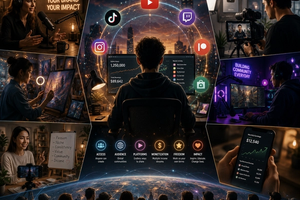
The creator economy refers to the growing ecosystem of independent creators who generate income through online content and digital communities. Unlike traditional media industries, creators can now build audiences directly through platforms like YouTube, TikTok, Instagram, Twitch, Substack, and Patreon.
Instead of relying on large corporations or gatekeepers, creators can monetize their work independently through advertising revenue, sponsorships, memberships, merchandise, affiliate marketing, and digital products.
This model has created entirely new career paths that barely existed a decade ago.
Social Media Changed Everything
The rise of social media platforms played a major role in the explosion of the creator economy. Platforms gave individuals direct access to massive global audiences without needing traditional media exposure.
A single viral video, podcast episode, or social media post can launch someone into internet fame almost overnight. Algorithms help creators reach niche communities based on interests, allowing even smaller creators to build loyal followings.
As audiences spend more time online, creators have become some of the most influential voices in culture, entertainment, education, and even news.
Authenticity Became More Valuable Than Celebrity
One reason the creator economy has grown so rapidly is because audiences increasingly value authenticity. Unlike traditional celebrities, creators often feel more relatable and accessible to their followers.
Many creators share personal stories, behind-the-scenes moments, and direct interactions with fans, creating stronger emotional connections. Audiences feel like they know the people they follow, which builds trust and loyalty.
Brands quickly recognized this shift, leading to the rise of influencer marketing as companies began partnering with creators to reach engaged audiences more naturally.
Multiple Ways to Make Money
Today’s creators rarely rely on a single source of income. Instead, many combine multiple revenue streams to build sustainable businesses around their content.
Some creators earn through ad revenue, while others focus on brand partnerships, paid subscriptions, online courses, live streaming donations, or selling products directly to fans. Platforms like Patreon and Substack have also allowed creators to monetize loyal communities through memberships and exclusive content.
This flexibility gives creators more independence and control over their careers compared to traditional entertainment industries.
Challenges Behind the Glamour
While the creator economy offers exciting opportunities, it also comes with challenges. Content creation can be highly competitive, unpredictable, and emotionally exhausting.
Algorithms constantly change, audience attention shifts quickly, and creators often face pressure to post consistently in order to remain relevant. Burnout has become a common issue among influencers and digital creators.
There are also concerns around income stability, online harassment, and the blurred line between personal life and public persona. Behind the polished social media posts, many creators face significant mental and financial pressures.
The Future of the Creator Economy
The creator economy continues evolving as technology and platforms expand. Artificial intelligence, virtual reality, and new monetization tools are likely to create even more opportunities for creators in the future.
Brands are increasingly prioritizing creator partnerships over traditional advertising, and younger generations are viewing content creation as a legitimate career path rather than a hobby.
As audiences continue seeking personalized and authentic content, creators will likely remain at the center of digital culture for years to come.
Conclusion
The rise of the creator economy has fundamentally changed how people build careers, consume entertainment, and connect online. What began as casual content sharing has grown into a massive global industry powered by creativity, community, and digital platforms.
While challenges remain, the creator economy has opened doors for millions of people to turn their passions into businesses and their audiences into communities.
In today’s digital world, creators are no longer just influencers, they are entrepreneurs, entertainers, educators, and media brands shaping the future of online culture.